Don't
sacrifice your carbohydrates for a high protein diet, and think twice
before "bulking up" those biceps with protein to look better at the gym.
Your daily diet shouldn't contain more than 30% protein ideally,
because an excess of it will do you more harm than good. So says Gail
Butterfield, Ph.D., director of Nutrition Studies at the Palo Alto
Veterans Administration Medical Center.
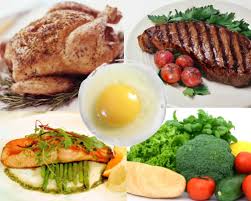
Protein riched food....
What is protein?
We know that we need protein but what is it? What are the best
sources and how much do you need? Our bodies are made up of 75% protein
so it is necessary to eat adequate amounts and especially important if
you are building muscle.
Protein is made up of amino acids
which are known as the building blocks of protein. There are about 20
different amino acids but there are 8 essential amino acids.
What is protein for and what does it do?
Simply put, protein aids the recovery and growth of the muscles after a workout at the gym.
Protein helps repair the "ripped" or "damaged" muscles allowing them
to grow bigger and stronger in an attempt to cope with the next gym work
out - once you increase the intensity or weight used in your workout
you will be able to "rip" or "damage" your muscles again so the cycle
restarts..but that's a whole new article!
Why does our body need protein?
Apart from athletes and body builders who need more protein for
performance, we all need protein as it is in every part of our bodies,
organs, cells, eyes, muscle hair, skin, nails, blood and tissue, and we
need to replace it on a regular basis.
Dr. Butterfield says that
excess protein in your diet may have harmful effects. If you increase
protein without adding more calories and exercise to your daily life,
instead of building muscle mass you will put your other body systems
under undue stress. And eating more protein while increasing calorie
intake -- but keeping at the same exercise levels -- builds an equal
amount of additional fat and muscle. Meanwhile, a diet where protein is
more than 30% of your calorie intake causes a buildup of toxic ketones. A
"ketogenic" diet, or one high in ketones, pushes your kidneys to
excessively flush themselves free of toxins. This can cause you to lose a
significant amount of water, which puts you at serious risk of
dehydration, especially if you exercise heavily during your workouts.
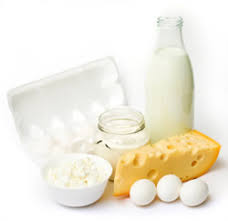
Highest Protein foods...
Such
water loss will make it appear you're losing weight, when in actuality
you're not. Plus you will be losing, not gaining, muscle mass and bone
calcium from this ketogenic diet, while the stress of dehydration can
also badly affect your heart. Dehydration from a ketogenic diet can make
you dizzy and weak, give you bad breath, and lead to other
health-related problems. This can be the result of a high-protein,
low-carb "fad" diet – one that emphasizes proteins excessively.
Actual
protein deficiency is a very rare condition and is confined usually to
elderly women or persons with eating disorders. Protein deficiency is
defined as eating 50-75% of the recommended daily amount of protein. You
should consume 0.36 grams of protein for every pound of your normal
body weight, according to the US recommended daily allowance -- or RDA
-- guides. And protein should make up about 15% of your daily caloric
intake, not go well over 30% of it.
Protein is absolutely
required for your body's normal functioning, as it helps synthesize your
enzymes and hormones. It maintains your fluid balance and the building
of antibodies against infections. It also is the basic building block
for your muscles, bones, cartilage, skin, hair and blood, and is
essential for the formation of all of the cells in your body You should
eat protein-rich foods such as meat, cheese, milk, fish and eggs to get
enough protein in your daily diet. You can also find protein in soy
products, as well as in combinations of food such as rice or corn with
beans, when it comes to vegetable proteins that you may consume.
You
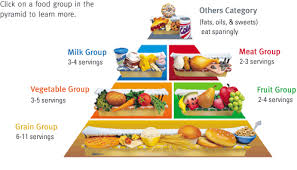
should eat a balanced diet rich in fruits, vegetables, whole grains,
lean meats, fish and complex carbohydrates, not one heavy in protein
alone. But protein is optimal for immune functioning, and you may need
heavier amounts of it when injured or otherwise undergoing any serious
healing processes
Proteins
are made up of several different amino acids, some of which your body
can make on its own. But some of them have to be ingested. These are
called the "essential" amino acids. You must eat a variety of foods to
make sure you're getting all of your essential amino acids. Lack of
these can cause growth failure, loss of muscle mass, decreased immune
system functioning, weakening of the circulatory and respiratory systems
– and even death.
The most common source of protein in the
American diet is meat, but milk and other dairy products are rich in it.
To avoid too much fat with your protein, eat leaner cuts of meat, and
cook without adding fat by baking, broiling, barbecuing or boiling your
meat. By eating beans and lentils as well as a variety of vegetables and
grains, you can add terrific sources of vegetable protein to your diet.
Nuts and seeds are also great sources of non-animal protein.
The
average adult American needs eight grams of protein each day per twenty
pounds of normal body weight. Yet we generally eat twice that much
protein daily. If you balance your carbohydrates with your proteins, and
eat a variety of foods to make sure you get all of the amino acids you
need, you will be eating a healthy diet. You should also make sure you
keep your diet low in fats, oils and refined sugars. Those substances
have no proteins, and hardly any other nutrients, with one gram
containing nine calories of energy. You do need some saturated and
unsaturated fats in your food, every day. Unfortunately, "junk food"
laden American eating habits tend to provide far too much of these fats.
Your
daily diet should contain no more than 30% total calories from fats,
hopefully far less than that. The upper limit on the amount of fat in
your diet will depend on how many calories you need to maintain your
weight, and cutting back on fat can help you consume fewer calories. But
some dietary fat is needed for good health. It supplies energy and the
essential fatty acids, which like the essential amino acids can only be
gleaned from your consumption of certain foods. Fats also promote
absorption of the fat-soluble vitamins A, D, E and K.
High levels
of saturated fat and cholesterol are linked to increased blood
cholesterol and put you at risk for heart disease. Fat is also
associated with protein-rich food such as meat and dairy products. So
you should lower the daily amount of protein and fat that you consume to
an acceptable level, while raising the amount of complex carbohydrates
you consume to at least 50% of your daily calorie intake. This will
ensure that you are eating a proper and not a "fad" -- or risky to your
health – diet every day. Eating meals and snacks rich in whole grains,
fruits and vegetables, as well as some high protein and certain "fatty"
foods, will help you to obtain your desired weight and to keep fit --
not fat.
A list of high protein rich foods and their nutritional content.
Have a Healthy Life!!!


